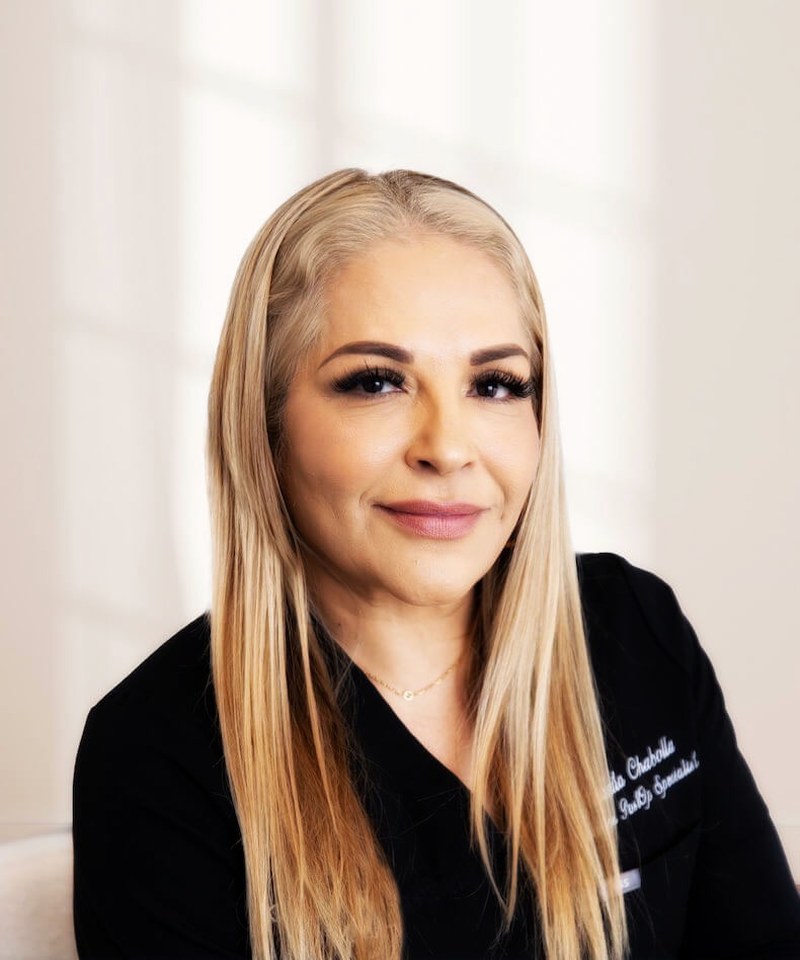
§ 01 The work
What I do
Manual lymphatic drainage is a slow, light-pressure technique that follows the body's lymphatic pathways to help move fluid through the lymphatic system. After cosmetic, reconstructive, or general surgery, swelling and inflammation are expected; lymphatic drainage is one of the modalities surgeons commonly recommend as part of a recovery plan to help patients move through the post-operative course more comfortably.
I work on direct instructions from each patient's surgeon — when to begin, how often, what areas need attention, when to pause if something doesn't look right and needs the surgeon's eyes. The patient's medical team leads the recovery; I execute the manual portion of the plan within the parameters they set, and I stay in close communication when something needs to be flagged.
§ 02 Path
How I got here
I've been practicing for more than fifteen years. I graduated from the National Holistic Institute in Emeryville, California in 2014 with a 750-hour Clinical & Medical Massage certification, and have held my California massage therapy license (CAMTC #82919) continuously since then. The earlier years were in integrative wellness centers across Los Angeles, where I worked alongside plastic and reconstructive surgeons before being recruited by a Beverly Hills plastic surgeon for exclusive post-operative work. That specialization is where I built the protocol I use today — refined across thousands of sessions, in close coordination with the surgeons whose patients I see.
I founded Lymphyx in 2018 to formalize that practice. Today the practice is surgeon-coordinated, with patients arriving through fourteen board-certified plastic surgeons across Beverly Hills and West Hollywood. The model is intentional: every patient I see comes through a surgeon's referral or arrives with a clear surgical history, and I treat their post-operative phase as a stage of a plan the surgeon owns.
§ 03 What to expect
The work, plainly
If you're considering surgery — or recovering from one — you're going to read a lot of optimistic copy. I'll give you the version I actually believe:
- Manual lymphatic drainage supports recovery. It does not produce the surgical result. The surgeon does that.
- Consistency through the early weeks matters more than any single session.
- Compression, hydration, and movement matter at least as much as the manual work.
- If something looks wrong — heat, redness, asymmetric swelling, drainage from incisions — that is a call to the surgeon, not a session with me.
I keep the practice deliberately small so I can give each patient the time the protocol actually requires.
That's the same reason I haven't tried to scale or franchise the studio. The job is hands-on and the standard of care is set by people who can actually do the work.
§ 04 The space
The studio
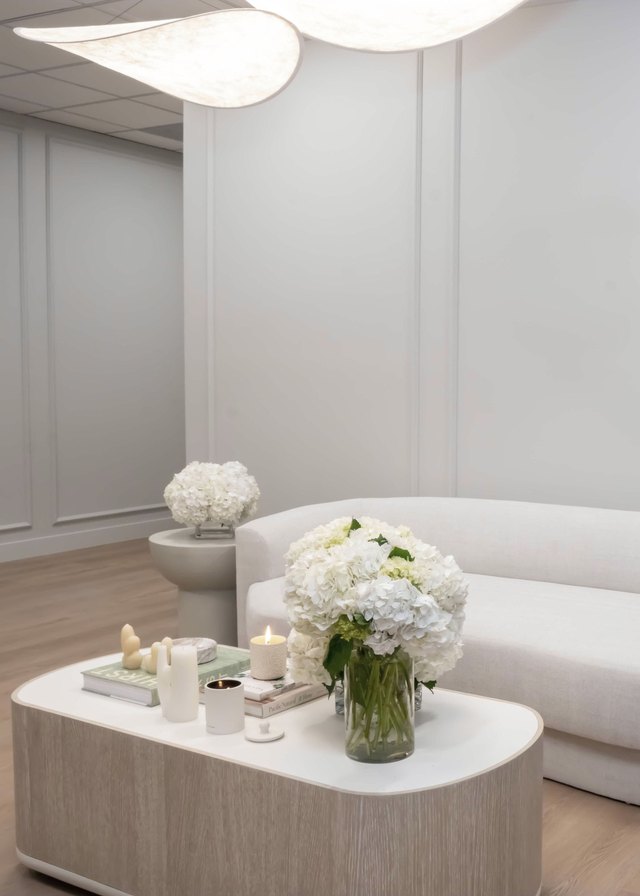
I founded Lymphyx in 2018 to formalize the practice — a space where post-operative care could be done at the pace and depth the work actually requires. The studio sits at 9150 Wilshire Blvd in Beverly Hills, by appointment.
Visit Lymphyx§ 05 Read more
Where to go next
- Credentials — licensure, certifications, professional memberships
- Training and lineage — where I studied and who trained me
- Approach — how I think about post-operative care
- Scope of practice — what an LMT is and isn't, and when I refer out
If you'd like to book a session, the studio handles all scheduling: Lymphyx — Lymphatic Drainage & Wellness Massage.